


The digital consignment note: what e-CMR does and does not solve
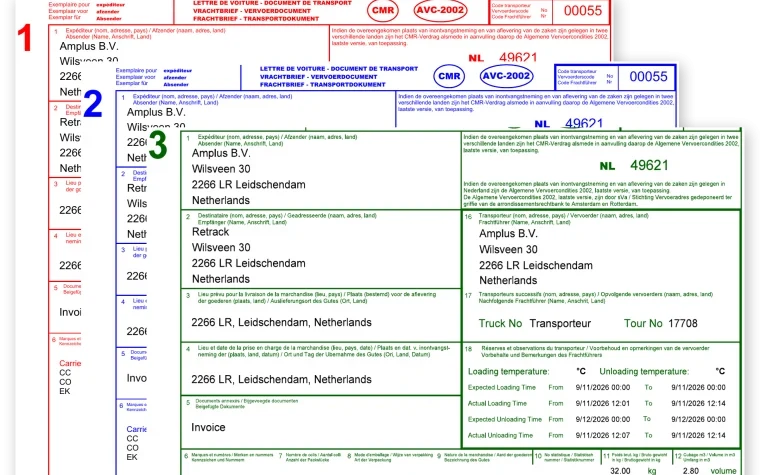
A digital consignment note is not a scanned paper one. It is the same document, captured at the moment of loading and delivery instead of afterwards. Here is where it applies, what changes legally, and what does not.
A PDF is not an e-CMR
The common misunderstanding: scanning a consignment note and emailing it does not make it electronic in the legal sense. You have an image of a paper document, with the same delay and the same chance that nobody sends it back.
An e-CMR under the protocol is a document created digitally and signed digitally, where it is established who signed what and when. That last part is the whole point: the signature attaches to a time and a place, not to a sheet of paper scanned later.
Where it applies
The 2008 additional protocol to the CMR convention gives the electronic consignment note the same legal weight as the paper one, between countries that have ratified it. The Netherlands, Belgium, Germany, Spain and France are among them, which covers most of western European road freight.
Ratification is uneven, though, and the list changes. On some lanes paper is still needed and a roadside check may ask for it. Do not assume digital works everywhere because it works on your busiest lanes.
The practical consequence: you need a system that handles both from the same trip record. Digital where it is accepted, printed where it is not, without running two administrations.
What stays the same legally
Everything the CMR convention governs still governs. The same 24 boxes, the same liability, the same time bars. The protocol changes the medium, not the content.
The carrier reservation works identically too. If the driver accepts the shipment without remark, the presumption that everything was in good order applies digitally just as on paper. Box 18 remains where disputes are settled.
What does improve is the evidence around it. A remark entered on the spot, with a timestamp, a location and a photograph, is considerably harder to argue with than a handwritten note that surfaces at the office three days later.
What changes in practice
The difference is not legal standing but pace. A paper consignment note is only finished when it physically reaches your office: it rides in the cab, sits in a folder overnight, and arrives days after the delivery. Until then you cannot invoice, and you cannot show anything to a customer disputing the drop.
Digitally the document is complete at the moment of unloading. Signature, timestamp and any photographs attach to the trip and are in the back office immediately. The invoice no longer waits for paper.
The second difference is what stops happening: nobody retypes the note on its return. That is where most of the administrative time goes, and where the errors come from.
What it does not fix
A digital consignment note does not improve a badly completed one. "Subject to inspection" with no reason is exactly as worthless digitally as on paper.
It also settles nothing on your customer side. If a consignee will only accept paper, you print. That is rarer than it was five years ago, but it happens, and it is not a software problem.
And it does not remove the argument about waiting time. It gives you the timestamps to have that argument with, which is not the same as winning it.
FAQ
Is a digital consignment note legally valid?
Between countries that have ratified the eCMR protocol, yes, with the same standing as a paper note. Because ratification differs by country and changes over time, it is worth checking per lane.
Does the driver need special equipment?
No. An ordinary smartphone is enough. The app carries the route, captures the signature and takes the photographs; dedicated terminals are not required.
What if the consignee will not sign digitally?
Then you print the note for that trip. A system that supports both from the same record lets you do that without setting up a second administration.
How long do we have to keep the documents?
Retention obligations do not change because the document is digital. What changes is that retrieving one takes seconds instead of a trip to the archive.
See a real digital consignment note
The e-CMR page shows a completed note from Retrack TMS, with signatures, actual loading times and the equipment reconciliation on it.
See the e-CMR page